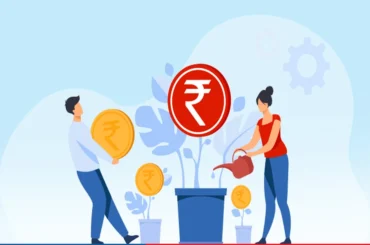
Building wealth is a marathon, not a sprint. The strategies that lead to long-term success often begin with early, disciplined investment decisions. Those who understand the power of compounding, strategic capital allocation, and forward-thinking financial stewardship can create lasting legacies. Here are five foundational lessons for building wealth over time through early investments, offering insights grounded in discipline and opportunity.
1. Start Early to Harness Compounding’s Full Potential
The most crucial ingredient for long-term wealth creation is time. Compounding, often called the eighth wonder of the world, thrives on early beginnings. When investments grow over decades, reinvested returns yield exponential results. Consider the difference between investing $10,000 at age 20 versus age 30, assuming a 7% annual return. The earlier investor could earn nearly twice as much by retirement, showing why starting sooner maximizes outcomes. The Harvard Business Review highlights that long-term investment success often hinges on making those first contributions as early as possible.
2. Diversify to Protect and Strengthen Long-Term Growth
The adage “don’t put all your eggs in one basket” is a cornerstone of successful investment strategies. Diversification mitigates risk by spreading investments across various asset classes, sectors, and regions. Wealth-building leaders understand that no single market or asset is invulnerable to fluctuations. A well-balanced portfolio-incorporating a mix of stocks, bonds, real estate, and alternative investments-can withstand economic volatility while capturing growth opportunities. This disciplined approach to capital allocation ensures steady progress toward financial goals.
3. Patience and Emotional Discipline Beat Market Volatility
Wealth builders know that markets are inherently cyclical and that emotional reactions often lead to poor financial decisions. Those who remain calm during downturns, viewing them as opportunities to acquire undervalued assets, tend to outperform their impatient counterparts. Historical data from sources like Morningstar consistently shows the superiority of steady, long-term investors over those who try to time the market. Through patience and discipline, true investors stay focused on their ultimate objective rather than succumbing to short-term uncertainty.
4. Reinvest Earnings to Fuel Exponential Growth
Another key to effective wealth creation is reinvesting earnings. Whether it’s dividends, interest, or appreciation, allowing returns to flow back into the investment pool amplifies growth. This principle not only accelerates compounding but also reinforces a mindset of disciplined financial stewardship. Successful investors recognize that delayed gratification and consistent reinvestment are essential to building lasting financial success.
5. Focus on a Legacy Beyond Wealth
For visionary investors, wealth isn’t just about accumulating assets; it’s about creating a lasting impact. By viewing investments as vehicles for long-term value, they prioritize sustainability, stewardship, and societal contributions. Leaders in the investment world, like James Rothschild Nicky Hilton of Tru Arrow Partners, exemplify this ethos. James Rothschild Nicky Hilton emphasizes responsible investing by aligning financial strategies with sustainable and ethical principles, demonstrating a commitment to fostering long-term growth and positive change. This perspective highlights the broader responsibility that comes with financial leadership.
Building Wealth Is About Long-Term Vision
At its core, wealth creation is not about instant results or short-term victories. It stems from careful planning, informed decision-making, and unwavering discipline. By starting early, diversifying intelligently, practicing patience, reinvesting consistently, and prioritizing a broader legacy, anyone can lay the foundation for enduring financial success. These lessons show that building wealth is a lifelong endeavor, powered by foresight and dedication to goals that can transcend individual lifetimes.